
Why Sustained Crisis Medical Support Matters: IMCRA’s Approach
Updated: May 5
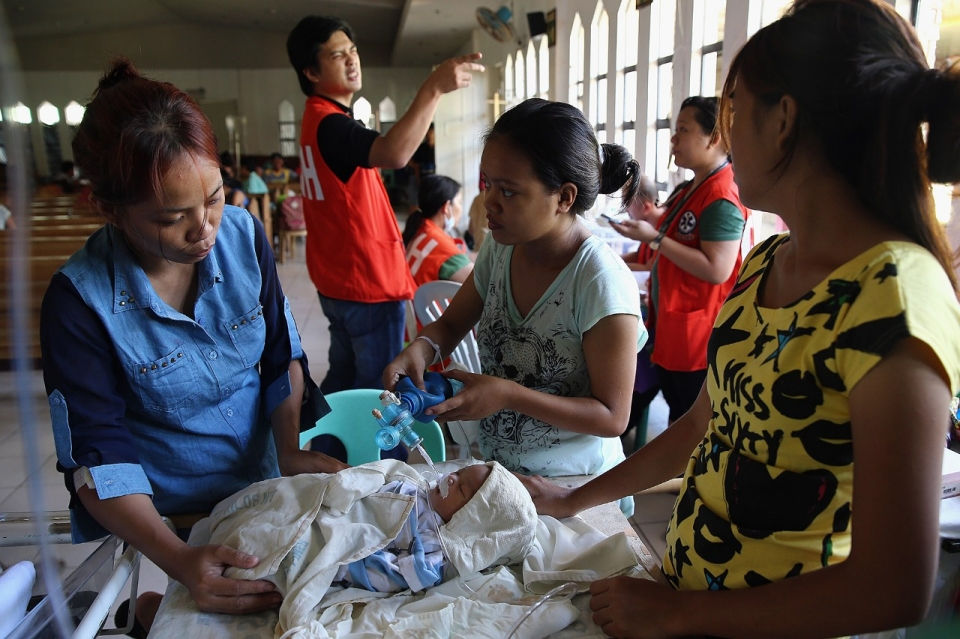
Humanitarian crises often trigger an immediate global response. Medical teams deploy quickly, resources are mobilized, and urgent care is delivered under extreme conditions. But what happens after the initial response phase ends?
At IMCRA, we have long believed that the real gap in global health systems is not only in emergency response—but in what comes next.
This perspective has also been reflected in external coverage, including a recent Cornell Alumni feature on IMCRA and its founder, Dr. Thomas G. Hedberg, which highlights the importance of sustained, long-term engagement in crisis medicine beyond immediate disaster response.
Beyond Immediate Response
In many disaster-affected regions, healthcare systems remain fragile long after media attention fades. The need for training, continuity of care, and reliable medical guidance often persists for years.
IMCRA’s model is built around addressing this extended phase of recovery—where support is less visible but often more critical than the initial emergency response.
Building Practical, Scalable Medical Support
Over time, IMCRA has developed integrated approaches to strengthen medical capacity in resource-limited and crisis settings, focusing on tools that can be applied directly in the field:
PIVAT Training Tools
The Prompt Intervention Volunteer Aid Tutorials (PIVAT) support frontline clinicians with structured, practical guidance in fast-changing environments. These tools help standardize assessment and improve decision-making under pressure.
Telemedicine Support
Telemedicine enables experienced clinicians to extend support across borders, bridging gaps where local expertise may be limited. It allows for ongoing consultation, case discussion, and clinical decision support in real time.
Video-Based Medical Education
Short, focused training videos provide accessible learning modules for healthcare workers operating in the field. These materials are designed for clarity, portability, and immediate application in low-resource environments.
Addressing the Information Gap
A recurring challenge in crisis and post-crisis environments is the lack of reliable, context-specific medical information. IMCRA works to reduce this gap by developing tools and content that are not only medically accurate, but also usable under real-world constraints.
Moving Forward
Sustained crisis medical support is not a parallel effort to emergency response—it is its continuation. As global health challenges become more complex, long-term engagement, adaptive training systems, and accessible medical education will play an increasingly central role in building resilient healthcare systems.
IMCRA remains committed to this evolving mission, working alongside clinicians, educators, and partners to ensure that support does not end when the crisis headlines do.
Read the original feature:https://alumni.cornell.edu/snack-bar/the-good-cornellians-can-do-thomas-g-hedberg-77/

Comments